


How much does a rotational mold cost?
When I look at buying a rotational mold, I notice prices can range from $3,000 to over $100,000. I see that mold size, design complexity, material choice, and production volume all play a big role in shaping the final cost. Larger molds and complex shapes usually cost more.
Key Takeaways
- Rotational mold costs depend mainly on mold size, design complexity, material choice, and production volume, with larger and more detailed molds costing more.
- Choosing the right mold material and design helps balance upfront costs with long-term savings by reducing repairs and improving part quality.
- Optimizing mold design with simple shapes, proper venting, and regular maintenance lowers costs and keeps production efficient.
Rotational Mold Cost Breakdown
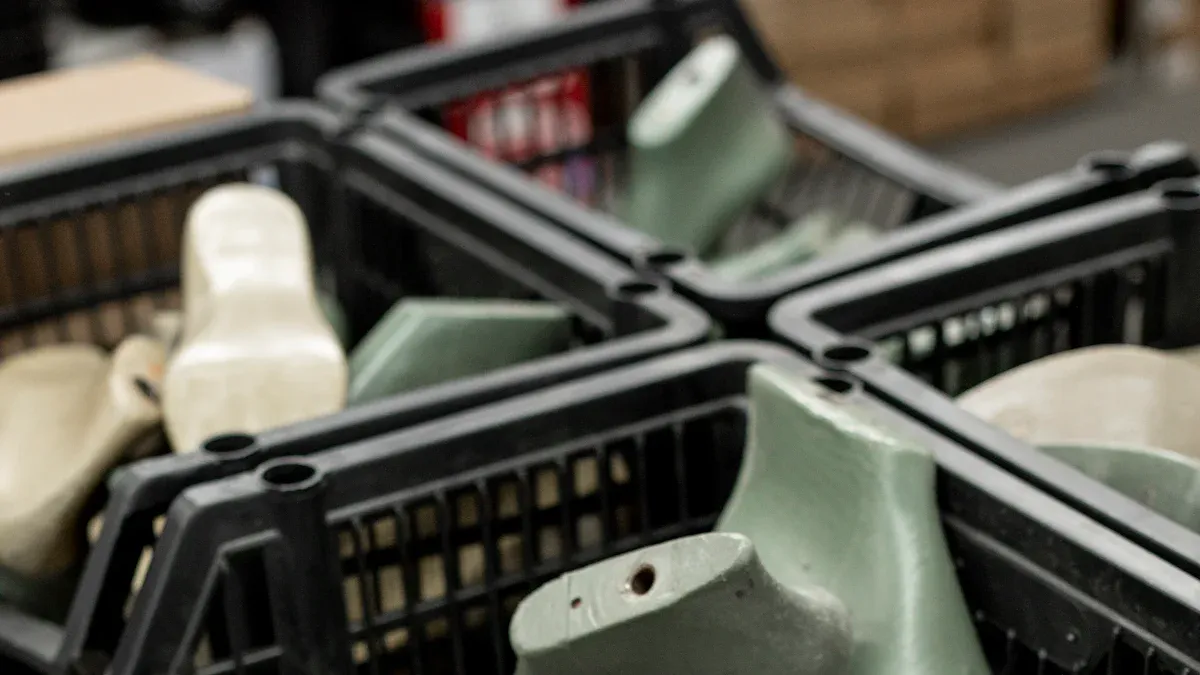
Tooling and Mold Fabrication
When I start a project, I look at tooling and mold fabrication as the biggest part of the cost. The price depends on the size of the mold, the material I choose, and how the mold is built. For example, steel molds cost more because they last longer and work well for high-volume jobs. Aluminum molds cost less and are lighter, so I use them for smaller runs. Composite molds are the cheapest, but they do not last as long.
Here are some main components that add to the total cost:
- Mold material choice: I can pick from cast aluminum, stainless steel, sheet steel, nickel-copper alloys, beryllium copper, or high-strength aluminum alloys. Each has a different price and lifespan.
- Mold complexity: Simple two-piece molds cost less. If I need a three-piece mold, the price goes up.
- Surface finish and construction: Smooth parting lines, stress relief, and good flange-mating surfaces make the mold more expensive.
- Clamping systems: Small molds use simple clamps. Large molds need nuts and bolts, which add to the cost.
- Venting systems: I need vent tubes for quality parts. The size and maintenance of these vents affect the price.
- Insulation and inserts: Using materials like PTFE or silicon foam helps control wall thickness but adds to the cost.
- Mold mounting: Mounting on steel spiders or using clamps changes how much I pay for fabrication and assembly.
I always balance the initial tooling expense with how many parts I plan to make. If I want a long-lasting mold, I pay more upfront but save on repairs and replacements later.
Design Complexity
The design of the part has a big impact on the cost of a rotational mold. When I add more details or tight tolerances, the price goes up. Complex designs need special equipment and skilled workers. If I want holes, recesses, or inside walls, I need larger draft angles, which makes the mold harder to build.
Some features that increase costs include:
- Deep or sharp V-shaped recesses
- Large flat surfaces that need extra support
- Closely spaced parallel walls
- Features like kiss-offs for stiffness
- Tight tolerances and thick walls
- Sharp corners, which I try to avoid
If I invest in a precise mold design, I can reduce scrap and defects. This saves money in the long run, even if the initial tooling cost is higher. I always check my design carefully before making the mold. Small mistakes can lead to expensive fixes.
Material Selection
Choosing the right material for the mold is important. I look at how many parts I need and what kind of parts I want to make. Steel molds cost more but last longer. They work best for high-volume jobs. Aluminum molds cost less and heat up faster, which can speed up production. Composite molds are the cheapest, but I use them only for small runs or prototypes.
I also think about the surface finish and how easy it is to maintain the mold. High-quality materials cost more at first, but they save money over time because they need less repair. If I want to keep costs low for a short project, I pick less expensive materials and simpler molds.
Production Volume
Production volume changes the cost per part. I find that Rotational Molding works best for small to medium runs. The molds cost less than those for injection molding, so I do not need a huge budget to start. For small to medium volumes (about400 to 50,000 units), I get a good balance between mold cost and production speed.
Here is a table that shows how production volume affects cost:
| Production Volume Range | Rotational Molding Characteristics | Per-Unit Cost Impact |
|---|---|---|
| Small to Medium (400 – 50,000) | Low mold costs, reasonable cycle times | Cost-effective due to low mold costs |
| Very Large Quantities | Longer cycle times, slower production speed | Higher per-unit cost compared to faster molding methods |
If I need a very large number of parts, the longer cycle times of rotational molding can make each part more expensive. For huge runs, other methods like injection molding might be better. But for custom parts or when I want to get to market fast, rotational molding gives me flexibility and lower upfront costs.
What’s Included in Rotational Mold Pricing?
Tooling and Setup Fees
When I plan a rotational mold project, I always look at tooling and setup fees first. These costs cover the creation of the mold and getting everything ready for production. The table below shows the main cost components and their impact:
| Cost Component | Description | Impact on Rotational Molding Project Cost |
|---|---|---|
| Tooling Costs | Upfront investment for mold design, material, and features like surface finish or cooling. | Usually lower than other molding methods but still a big part of the total cost. |
| Setup Fees | Machine setup, mold fixing, material prep, and quality checks. | Adds to the starting cost and depends on how complex the process is. |
| Volume Effects | More parts made means lower cost per part. | Helps make the project more cost-efficient. |
| Maintenance | Regular care to keep the mold working well. | Lowers long-term costs and keeps production smooth. |
I find that complex molds or those with special features cost more to make and set up. If I plan to make more parts, the cost per part drops.
Material and Manufacturing Costs
Material and manufacturing costs make up another big part of the price. I choose the type of plastic resin based on the part’s needs. The cost depends on the resin’s quality and weight. I also pay for machine operation, energy, and labor. If I use a high-quality machine and buy materials in bulk, I can save money. The design of the mold affects how long each cycle takes, which changes the total cost.
- I pay for resin by the pound, and prices change based on the type.
- Machine operation costs include energy, labor, and wear.
- Faster machines and simple molds help lower costs.
- Making more parts at once spreads out the cost.
Additional Services
Many projects need extra services beyond just making the mold and parts. I often work with experts for design help, which can raise the upfront cost but save money later by avoiding mistakes. Some projects need painting, printing, or special packaging. These steps add to the total price but can improve the final product.
Tip: I always ask my supplier about extra services like design help, finishing, and shipping. Planning for these early helps me avoid surprises in my budget.
- Design consultation helps me make better molds and parts.
- Finishing steps like painting or coating add cost.
- Packaging and shipping depend on the size and number of parts.
- Labor and other business costs are included in the final price.
Rotational Mold Cost Examples and Optimization

Real-World Price Scenarios
When I work with clients, I see a wide range of costs for a rotational mold. For example, a small, simple mold for a water tank might cost around $5,000. A large, complex mold for playground equipment can reach $80,000 or more. If I need extra features like textured surfaces or inserts, the price goes up. I always remind customers that the number of parts they want to make affects the total cost. For low-volume runs, the lower tooling cost of rotational molding makes it a smart choice.
Rotational Molding vs. Other Molding Methods
I often compare rotational molding to blow molding when helping clients pick the best process. Here is a table that shows the main differences:
| Cost Factor | Rotational Molding | Blow Molding |
|---|---|---|
| Tooling Cost | Lower initial cost | Higher initial cost |
| Production Rate | Slow (about 2 parts per hour) | Fast (about 70 parts per hour) |
| Piece Cost | Higher (~$35 per part) | Lower (~$22 per part) |
| Best For | <3,000 units/year | >3,000 units/year |
I choose rotational molding for complex shapes and small to medium runs. Blow molding works better for high-volume jobs because it makes parts faster and cheaper per piece.
Cost Optimization Tips
I use several strategies to keep costs down without losing quality:
- I design parts with even wall thickness and smooth corners to reduce waste.
- I add draft angles and proper venting to make demolding easier and faster.
- I recycle scrap material and use cost-effective resins when possible.
- I train my team to follow best practices and maintain molds regularly.
- I run technical audits to spot ways to save energy and cut down on cycle times.
Tip: Simple designs and regular maintenance help me avoid costly repairs and keep production running smoothly.
When I plan for a rotational mold, I focus on my needs and budget. I always:
- Compare suppliers for experience and support.
- Ask for detailed quotes with warranty and service.
- Choose quality molds to save on repairs.
- Review cost drivers to avoid paying for features I do not need.
FAQ
How long does it take to make a rotational mold?
I usually wait 4 to 8 weeks for a new mold. Complex designs or large molds can take longer.
Can I reuse a rotational mold for different products?
I can reuse a mold for similar shapes. If I want a new design, I need a new mold or major changes.
What is the lifespan of a rotational mold?
I see aluminum molds last for thousands of cycles. Steel molds last even longer. Regular care helps extend the mold’s life.